
Beyond the Hard Hat: How Mental Health Is Shaping Modern Construction Safety (Part 4)
When Jake, a veteran crane operator, showed up to work after three sleepless nights worrying about his wife's medical bills, he nearly missed a critical hand signal that could have resulted in a serious accident. This isn't just a story about workplace stress: it's a perfect example of how mental health directly impacts physical safety on construction sites.
The construction industry is finally waking up to a reality that safety experts have been highlighting for years: you can't separate mental health from physical safety. When workers are stressed, exhausted, or struggling emotionally, their ability to stay safe: and keep their coworkers safe: takes a serious hit.
The Direct Connection: How Mental Health Impacts Physical Safety
Let's get straight to the point: mental health challenges don't just affect how workers feel; they directly compromise their ability to work safely. Here's how:
Concentration and Focus: A worker dealing with anxiety or depression may struggle to maintain the level of concentration required for safe operation of heavy machinery or proper execution of safety protocols. When your mind is elsewhere, critical safety details get missed.
Decision-Making Under Pressure: Construction work often requires split-second safety decisions. Mental fatigue and emotional stress slow down cognitive processing, making it harder to react quickly to dangerous situations.
Physical Coordination: Mental health challenges can affect physical coordination and reaction times. This is particularly dangerous in construction where precise movements and quick reflexes can be the difference between going home safe and getting seriously injured.
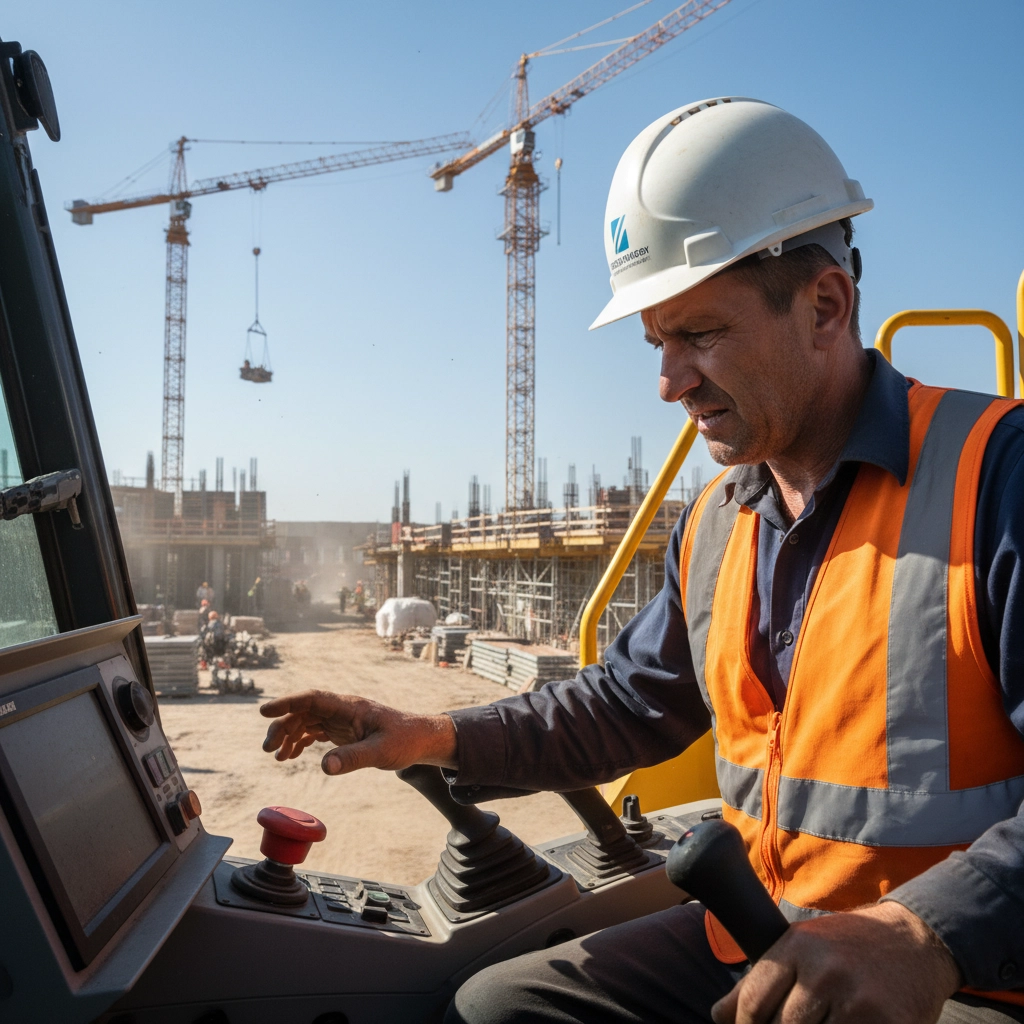
PPE Compliance: When workers are mentally overwhelmed, they're more likely to skip safety steps or improperly use personal protective equipment. Research shows that stressed workers are significantly more likely to take safety shortcuts.
The Numbers Don't Lie: Construction's Mental Health Crisis
The statistics paint a sobering picture. Construction workers experience suicide rates that are 75% higher than men in the general working population. But beyond these tragic numbers, there's a broader impact on daily safety performance:
80% of construction workers report experiencing mental health issues
Workers with untreated mental health conditions are 3 times more likely to be involved in workplace accidents
Mental health-related absenteeism costs the industry billions annually in lost productivity and increased accident rates
These aren't just numbers: they represent real people on real job sites where mental and physical safety intersect every single day.
Real-World Impact: When Mental Health Meets Physical Hazards
Consider Maria, a project manager who's been working 70-hour weeks trying to meet an impossible deadline. She's exhausted, anxious, and hasn't been sleeping well. During a routine site inspection, she fails to notice that fall protection wasn't properly installed on a new section of scaffolding. Three workers nearly fell through gaps that should have been protected.
Or think about Tom, a welder who's been struggling with depression since his divorce. He's been having trouble concentrating and making more mistakes than usual. One day, he forgets to check his gas connections properly, creating a potentially explosive situation that could have injured his entire crew.
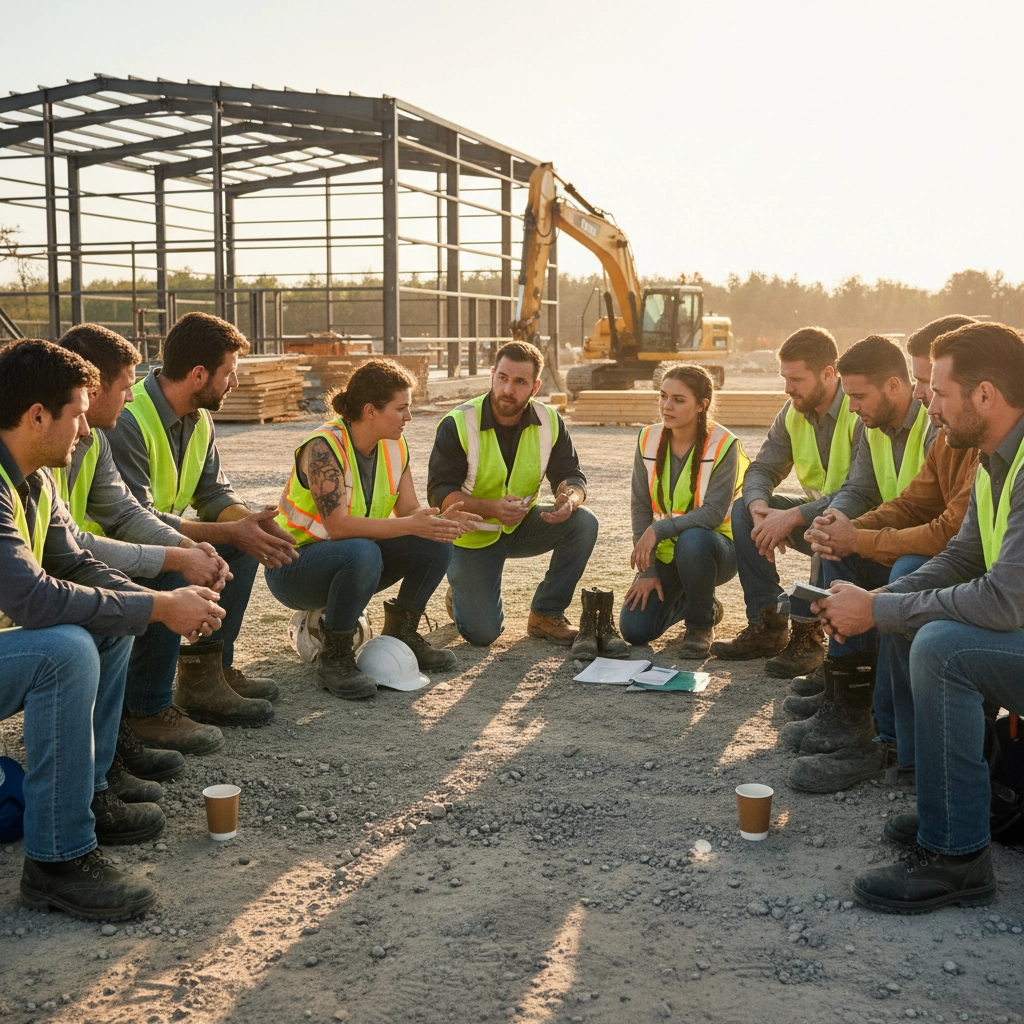
These scenarios happen more often than we'd like to admit. They highlight why treating mental health as a safety issue: not just a wellness concern: is absolutely critical.
Actionable Strategies: Managing Mental and Physical Health Together
The good news? There are practical steps both individuals and companies can take to address mental health as a safety priority:
For Individual Workers:
Recognize the Warning Signs: Learn to identify when stress, fatigue, or emotional challenges are affecting your ability to work safely. Common signs include:
Difficulty concentrating on tasks
Making more mistakes than usual
Feeling irritable or short-tempered with coworkers
Physical symptoms like headaches or muscle tension
Changes in sleep patterns
Develop Daily Safety Rituals: Create mental health check-ins as part of your safety routine. Before starting work each day, honestly assess your mental state. If you're not feeling sharp, speak up.
Use the Buddy System: Partner with a trusted coworker who can help spot when you're having an off day. Sometimes others notice changes in our behavior before we do.
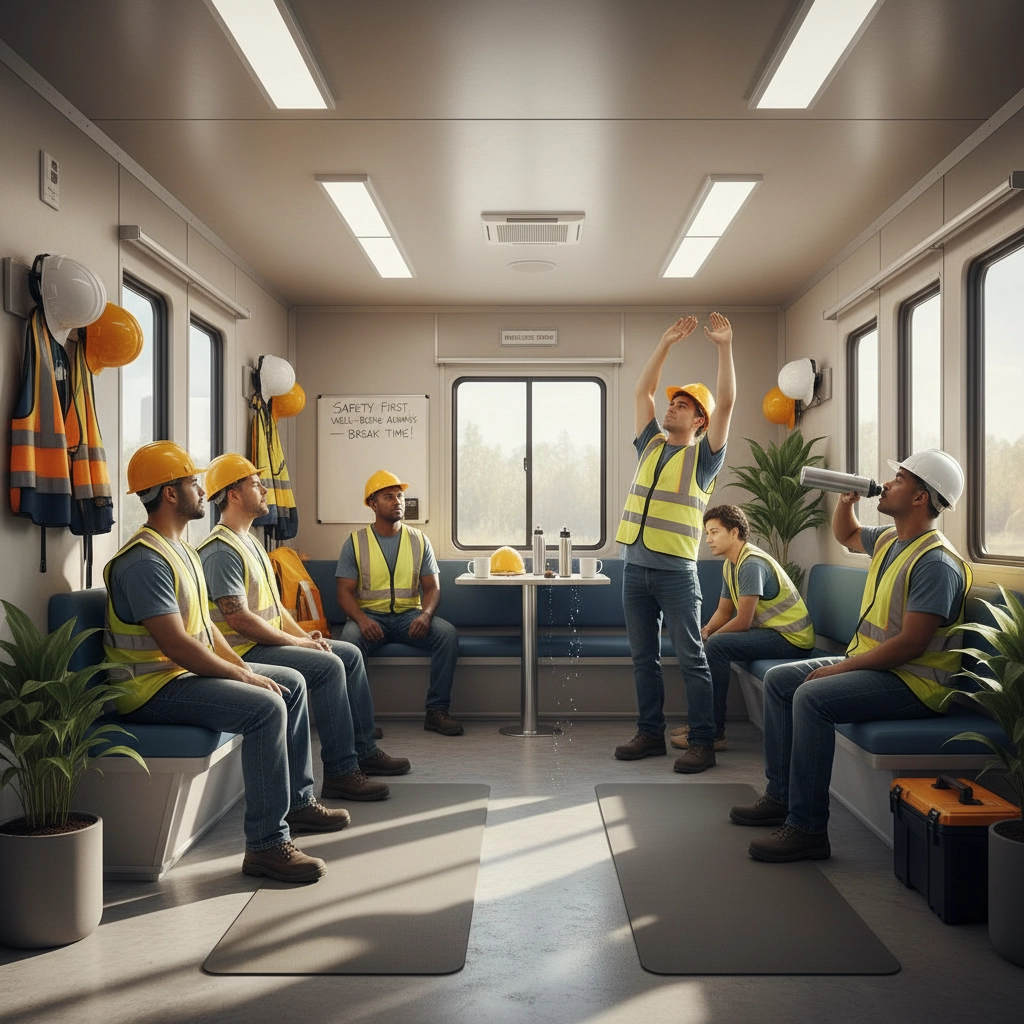
Practice Stress Management: Simple techniques like deep breathing exercises during breaks, staying hydrated, and taking short walks can help manage stress levels throughout the workday.
For Companies and Supervisors:
Integrate Mental Health into Safety Training: Make mental health awareness a standard part of safety orientation and ongoing training programs. Workers need to understand that psychological well-being is as important as wearing hard hats.
Create Open Communication Channels: Establish ways for workers to discuss mental health concerns without fear of job loss or stigma. This might include Employee Assistance Programs or anonymous reporting systems.
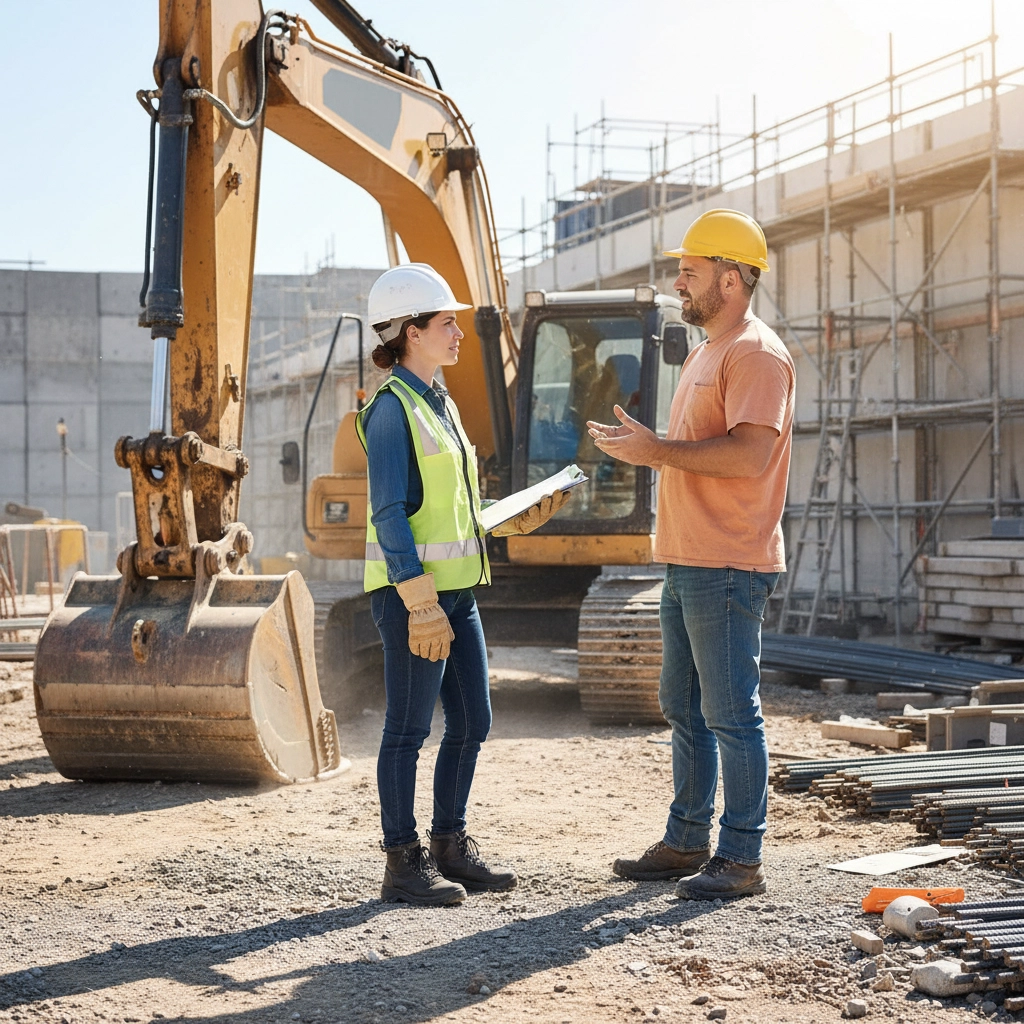
Implement Fatigue Management Programs: Recognize that overwork and exhaustion compromise both mental health and physical safety. Set reasonable work hour limits and ensure adequate rest periods.
Train Supervisors to Recognize Warning Signs: Foremen and supervisors should be trained to identify when workers might be struggling mentally and know how to respond appropriately.
Building a Supportive Safety Culture
The most effective approach combines individual awareness with organizational change. This means creating a culture where:
Mental health is treated as seriously as physical safety
Workers feel comfortable discussing stress and emotional challenges
Supervisors are equipped to support struggling team members
Resources for mental health support are readily available and well-communicated
Companies like Turner Construction and Skanska have pioneered mental health initiatives that treat psychological well-being as a core safety competency. Their programs include mental health first aid training, stress management workshops, and peer support networks.
The Safety Payoff: Better Mental Health Means Fewer Accidents
Organizations that invest in mental health support see measurable improvements in safety outcomes:
Reduced accident rates: Workers who feel mentally supported are more focused and make fewer safety errors
Improved PPE compliance: When mental fog lifts, workers are more likely to follow proper safety procedures
Better hazard recognition: Alert, mentally healthy workers are better at spotting and reporting safety hazards
Enhanced team communication: Good mental health improves the communication that's essential for safe teamwork
Taking Action: Your Next Steps
Whether you're a worker, supervisor, or safety manager, here's how you can start integrating mental health into your safety approach:
Start conversations: Begin discussing mental health openly in safety meetings and toolbox talks
Assess current resources: Identify what mental health support is already available through your company or union
Advocate for training: Push for mental health awareness to be included in safety training programs
Lead by example: If you're in a leadership position, model healthy attitudes toward mental health and work-life balance
Know the resources: Familiarize yourself with mental health resources like the National Suicide Prevention Lifeline (988) and industry-specific support programs
Remember, protecting mental health isn't just about being a good person: it's about being a safe worker. When we take care of our minds, we're better equipped to protect our bodies and look out for our coworkers.
The construction industry has always been about building things that last. Now it's time to build a safety culture that protects the whole person: mind and body. Because at the end of the day, the hardest hat in the world can't protect you if your head isn't in the right place.
At Rise Up Safety LLC, we believe that comprehensive safety training must address both physical and mental health. If you're ready to explore how mental health awareness can strengthen your safety program, check out our course offerings designed to create safer, more supportive work environments.


Comments