
Keep Your Cool: Heat Prevention in Construction Safety (Part 1)
Picture this: It's 2:30 PM on a July afternoon in Phoenix. The temperature just hit 115°F, and your crew is pouring concrete for a new office building. Within the next hour, two of your workers will be heading to the emergency room with heat exhaustion. One of them, a 28-year-old with five years of construction experience, will spend three days in the hospital.
This isn't a horror story. It's Tuesday.
Heat-related illnesses send more construction workers to the hospital than you might think. In fact, construction workers are 10 times more likely to die from heat exposure than workers in other industries. That's not a typo. Ten times. And here's the kicker, most of these incidents are completely preventable.
Welcome to our heat prevention series, where we're going to break down everything you need to know about keeping your crew safe when Mother Nature cranks up the thermostat. Today, we're starting with the basics: why heat illness matters, what to watch for, and the fundamental strategies that can save lives.
The Heat Reality Check
Let's get real about what we're dealing with. Every year, heat-related illnesses affect thousands of construction workers across the United States. The numbers are sobering:
Heat illness causes about 50 construction worker deaths annually in the U.S.
Thousands more end up in emergency rooms with heat-related problems
70% of heat-related deaths happen during the first week of work in hot conditions
Heat-related injuries spike 300% when temperatures exceed 95°F
But here's what makes these statistics even more tragic, we know exactly how to prevent them.
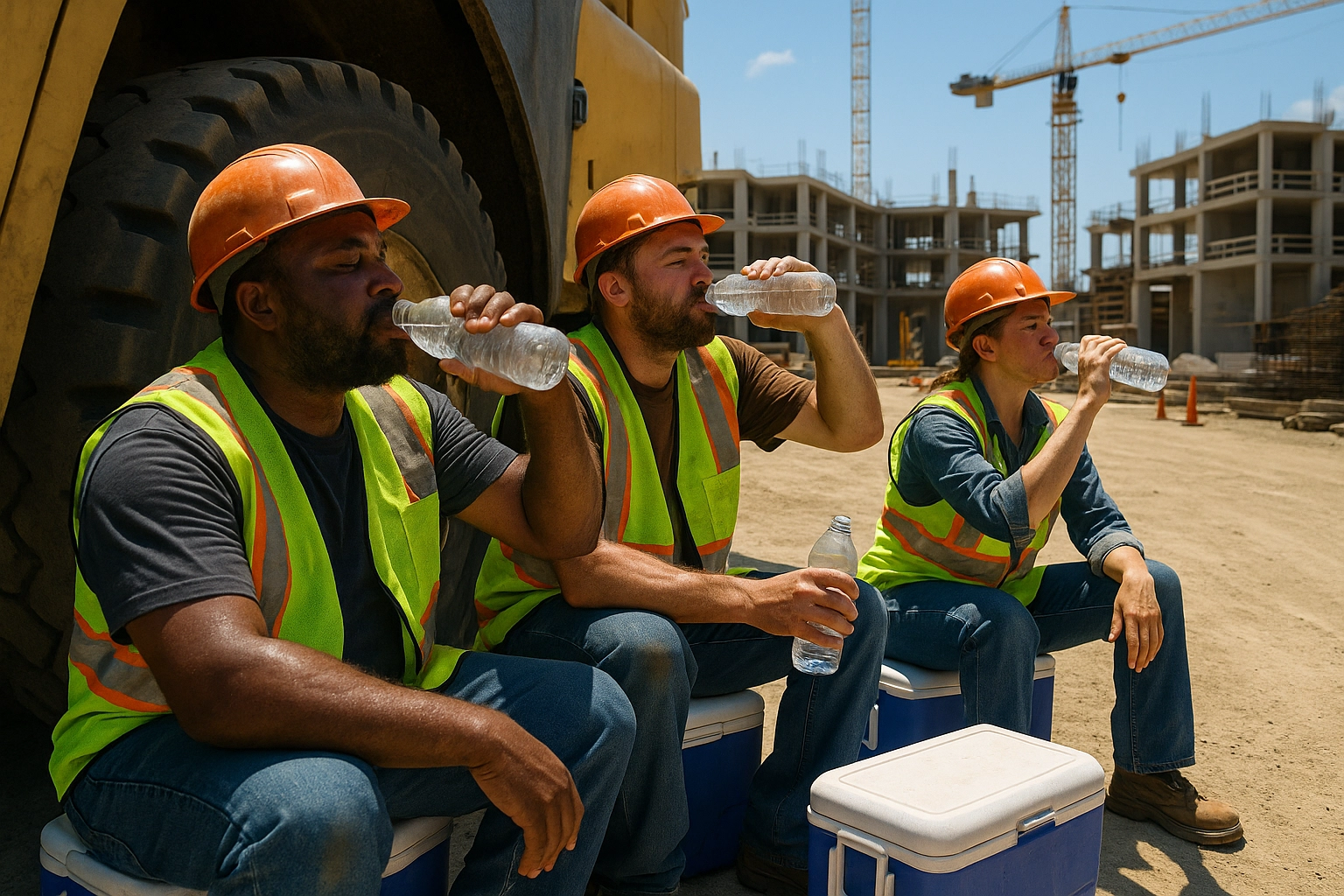
Take the case of Miguel, a 35-year-old roofer in Texas. He'd been working construction for over a decade, knew the drill, understood the risks. But on one particularly brutal August day, he pushed through the warning signs. Started feeling dizzy around 11 AM but figured he could tough it out until lunch. By noon, his coworkers were calling 911. Miguel spent four days in intensive care with heatstroke, and it took months before he could return to work full-time.
The scary part? Miguel did everything "right" according to old-school construction culture. He was tough, experienced, and didn't want to slow down the job. But that mindset nearly killed him.
Recognizing the Enemy: Heat Illness Symptoms
Heat illness doesn't just appear out of nowhere, it gives you warnings. The problem is, construction culture often teaches us to ignore those warnings. Let's change that conversation.
Heat Cramps - The early warning system:
Muscle spasms, usually in legs, arms, or abdomen
Heavy sweating during intense physical work
Often the first sign your body is struggling
Heat Exhaustion - When your body starts failing:
Heavy sweating or stopped sweating entirely
Weakness, fatigue, dizziness
Nausea, vomiting, headache
Muscle cramps
Cool, moist, pale skin
Heatstroke - The life-threatening emergency:
High body temperature (104°F or higher)
Hot, dry skin (or profuse sweating)
Confusion, altered mental state
Loss of consciousness
Rapid pulse
Here's the thing, by the time you reach heatstroke, you're in immediate danger. Your body's cooling system has completely shut down. This isn't "walk it off" territory. This is "call 911 immediately" territory.
The Science Behind the Danger
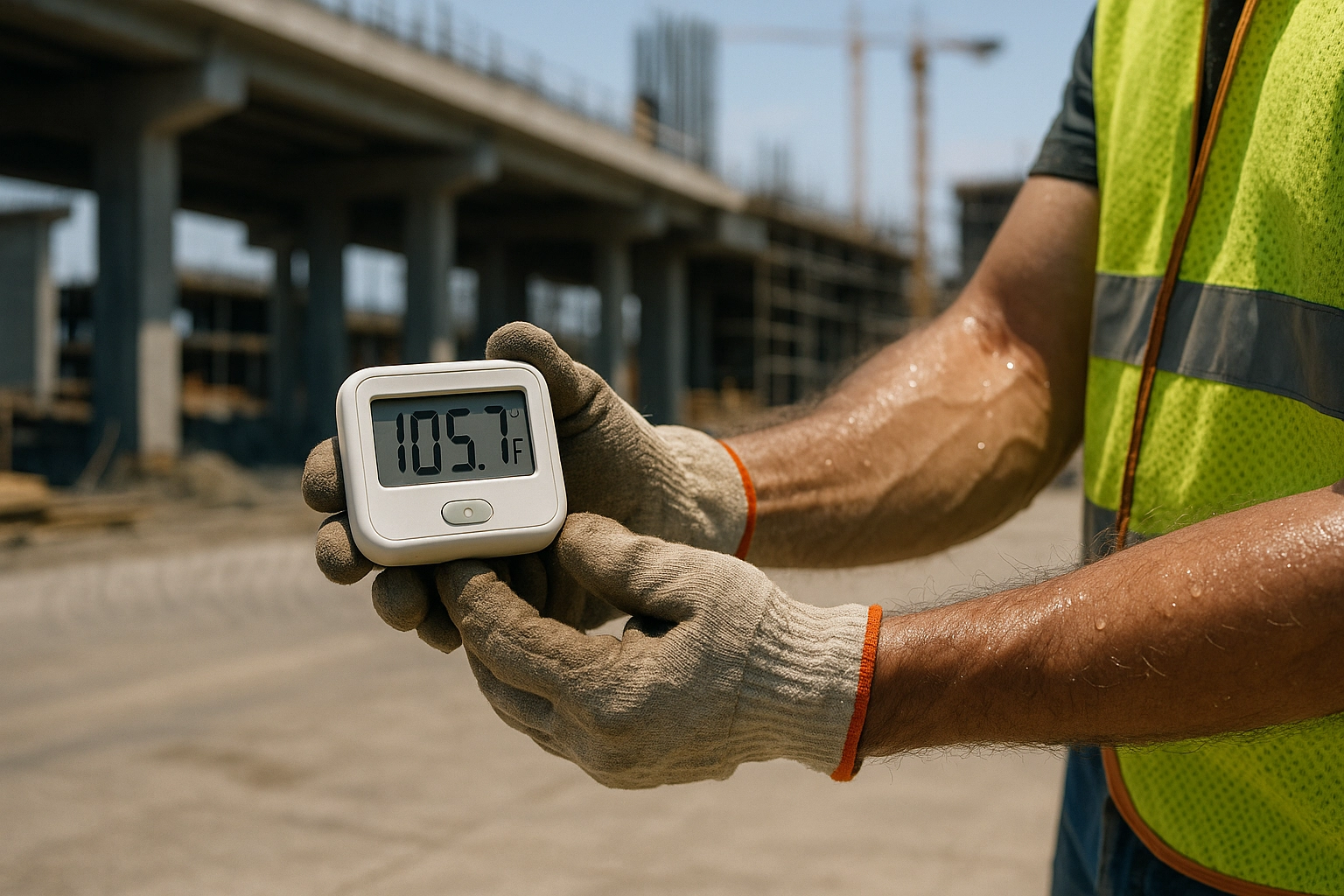
Your body is basically a walking furnace that needs to maintain a core temperature around 98.6°F. When you're swinging a hammer in 95-degree heat while wearing a hard hat and safety gear, that furnace starts working overtime.
Your primary cooling system? Sweating. But sweat only works if it can evaporate. When humidity is high, or you're wearing heavy protective equipment, that evaporation slows down dramatically. It's like trying to cool your house with a broken air conditioner.
Add dehydration to the mix, and your blood becomes thicker, making your heart work harder to pump it around. Your body starts prioritizing keeping vital organs cool, which means less blood flow to your brain. That's when the dizziness, confusion, and poor decision-making kicks in, exactly when you need to be sharp on a construction site.
Prevention Strategies That Actually Work
The good news? Heat illness is incredibly preventable. The key is building prevention into your daily routine, not treating it as an afterthought.
The Water-Rest-Shade Triangle
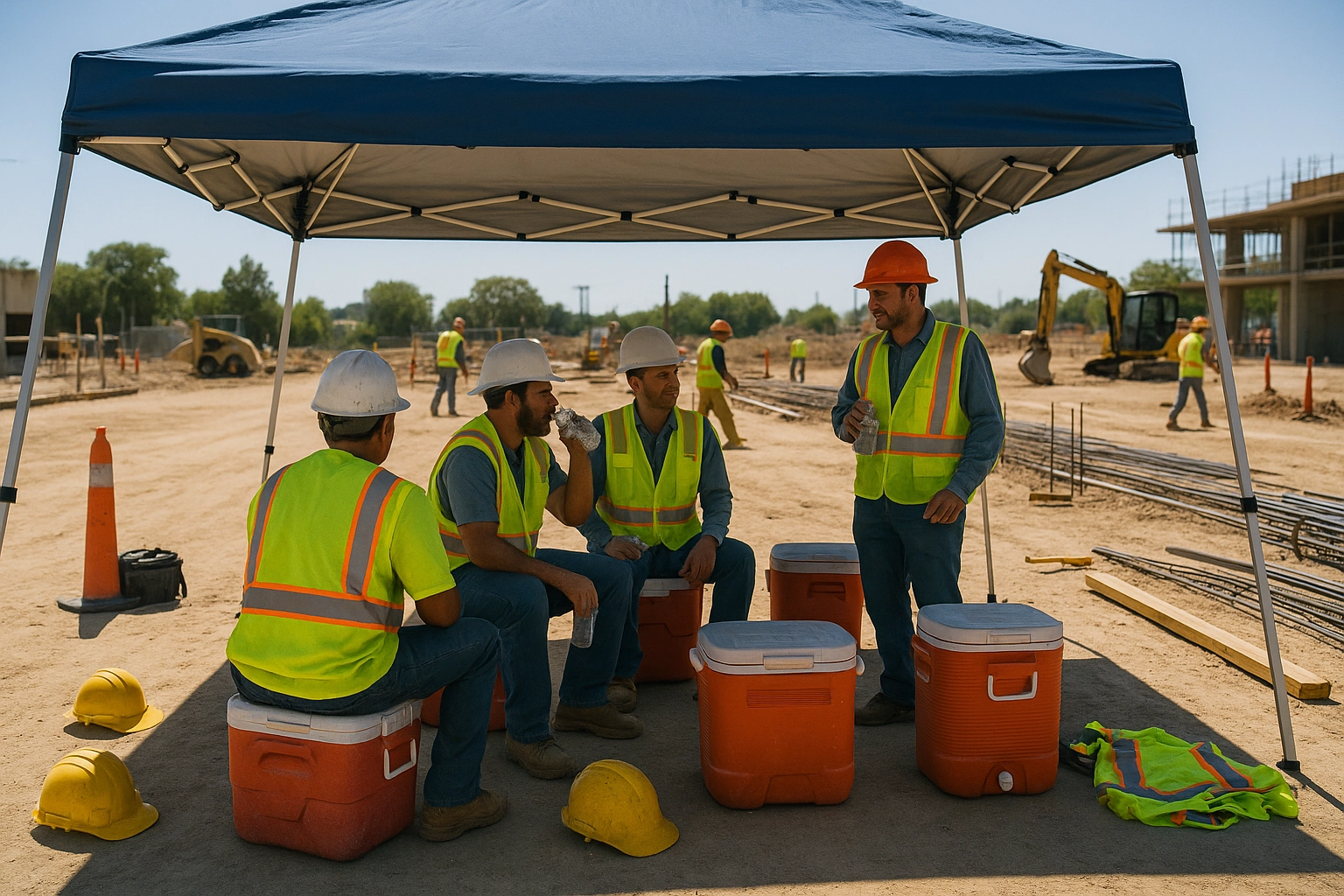
Think of this as the holy trinity of heat prevention:
The Buddy System
Heat illness affects your judgment, which means you're often the last person to realize you're in trouble. Pair up workers to watch each other for symptoms. Make it part of the job, not an afterthought.
Timing Matters
Schedule the most physically demanding work for early morning or late afternoon when possible. That concrete pour we mentioned earlier? Maybe it should have happened at 6 AM, not 2:30 PM.
Quick Tips for Immediate Implementation
Want to start protecting your crew today? Here are five things you can implement immediately:
The New Worker Reality
Here's something that might surprise you: 70% of heat-related deaths happen during the first week of work in hot conditions. New workers, temporary workers, and anyone returning to work after time off are at extreme risk.
Their bodies haven't adapted yet. This process, called acclimatization, takes about 1-2 weeks. During this time, new workers should have limited exposure to hot conditions, starting with just 20% of normal heat exposure on day one, gradually increasing by 20% each day.
Yes, this might slow things down initially. But it's a lot faster than dealing with a medical emergency or, worse, a fatality on your jobsite.
What's Coming Next
Heat prevention isn't just about drinking water and taking breaks: though those are crucial. Over the next few posts in this series, we'll dive deeper into:
Advanced cooling strategies and equipment that can make a real difference
Creating effective heat illness response plans that actually work in crisis situations
Technology and tools that can help monitor conditions and worker safety
Legal requirements and best practices that protect both workers and employers
The bottom line? Heat illness is serious, but it's not inevitable. With the right knowledge, preparation, and mindset, you can keep your crew safe even when the temperature soars.
Remember: There are no tough points for heat illness. There are no awards for "pushing through." There are only safe workers and unsafe ones. Let's choose safety.
Ready to dive deeper into heat safety? Check out our comprehensive safety training programs at Rise Up Safety to keep your entire crew protected.


Comments