
Keep Your Cool: Heat Prevention in Construction Safety (Part 5)
We've covered a lot of ground in this series – from recognizing heat stress symptoms to creating effective prevention programs. Now it's time to wrap things up with a look at what's new, what's coming, and most importantly, how you can put everything together to build a truly heat-safe worksite.
Whether you're a new supervisor trying to keep your crew safe or an experienced worker looking to stay current with best practices, this final part will give you the tools and knowledge to make heat safety a year-round priority.
The Latest in Heat Safety Technology
The construction industry isn't exactly known for being quick to adopt new tech, but when it comes to keeping workers safe from heat, some pretty cool innovations are making their way onto job sites.
Wearable Heat Monitoring Devices are becoming more affordable and practical. These small sensors can be attached to hard hats or worn on the body to track core temperature, sweat rate, and other vital signs. When readings hit dangerous levels, they alert both the worker and supervisors. Companies like Kenzen and SlateSafety are leading the charge here, with devices that connect to smartphones and provide real-time heat stress data.
Smart Cooling Gear has evolved way beyond the basic cooling vest. Today's options include battery-powered cooling systems that can run for 8+ hours, phase-change material vests that maintain consistent temperatures, and even cooling hard hats with built-in fans. While these aren't cheap, the ROI becomes clear when you consider the cost of heat-related injuries and lost productivity.
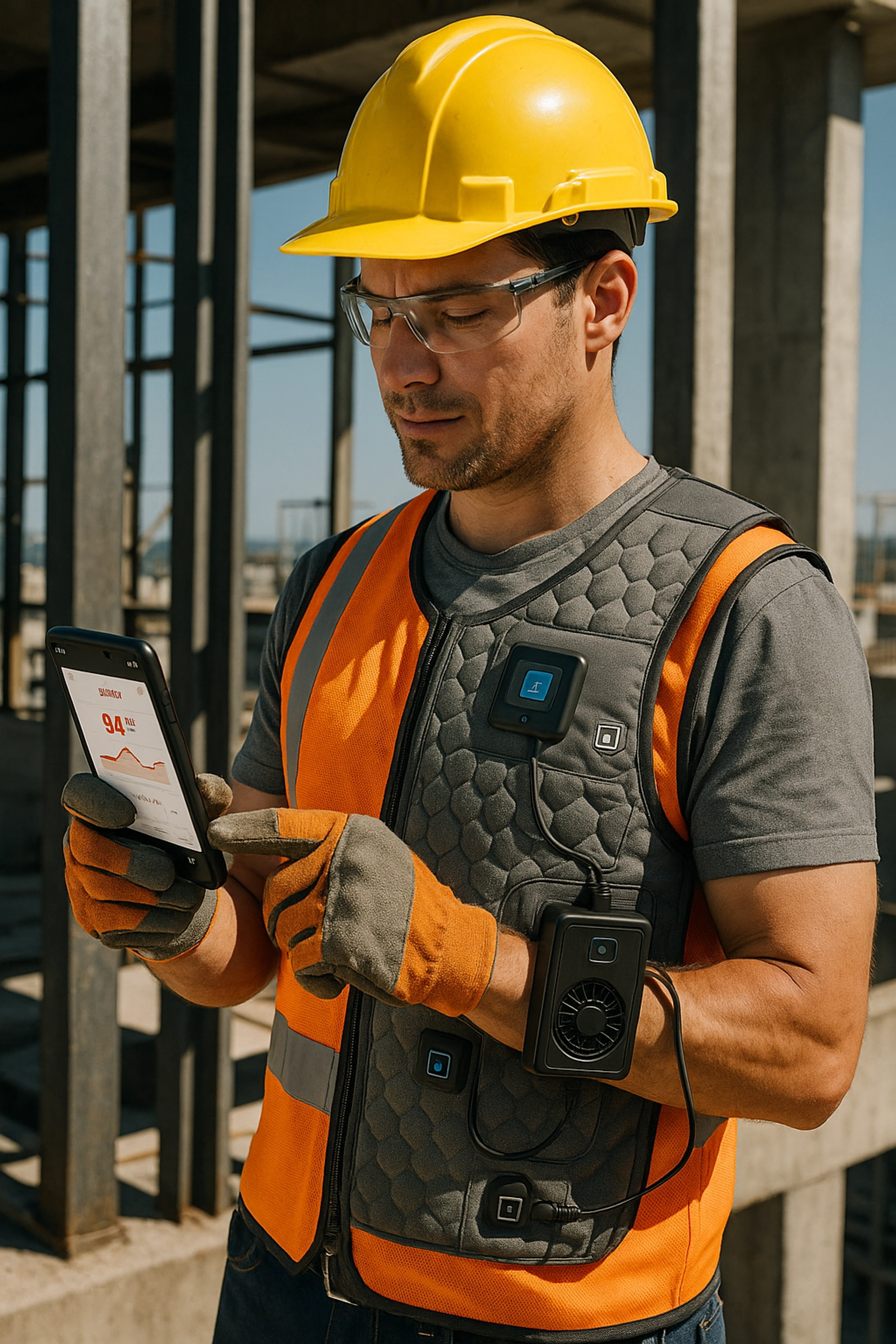
Environmental Monitoring Stations are getting smarter too. Modern weather stations can track not just temperature and humidity, but also calculate real-time WBGT (Wet Bulb Globe Temperature) readings and automatically trigger work/rest protocols when conditions become dangerous.
The key is starting small – you don't need to outfit your entire crew with the latest gadgets right away. Pick one or two technologies that address your biggest heat safety challenges and build from there.
Current Regulations and What's Coming
OSHA doesn't have a specific heat standard yet, but that doesn't mean you're flying blind. The agency uses the General Duty Clause to cite employers for heat-related hazards, and those citations are getting more common and more expensive.
The National Emphasis Program launched in 2022 has put heat illness prevention squarely in OSHA's crosshairs. Inspectors are specifically looking for heat hazards during summer months, and they're not just checking off boxes – they're evaluating whether employers have comprehensive heat illness prevention programs.
State-Level Action is where things are really moving. California's heat standard has been in place for years, and other states are following suit. Oregon, Washington, and Minnesota have all implemented heat-specific regulations, with more states likely to follow.
The writing's on the wall – federal heat standards are probably coming within the next few years. Getting ahead of this curve isn't just smart safety practice, it's good business sense.
Your Practical Implementation Checklist
Ready to put everything together? Here's your step-by-step guide to building a heat-safe worksite:
Week 1: Assessment and Planning
Conduct a heat hazard assessment of your worksite
Review weather patterns for your location and season
Identify high-risk workers (new hires, older workers, those with medical conditions)
Establish baseline WBGT measurement procedures
Week 2: Training and Communication
Train supervisors on heat illness recognition and response
Educate workers on prevention, hydration, and symptom awareness
Develop clear communication protocols for high-heat days
Create emergency response procedures for heat-related incidents
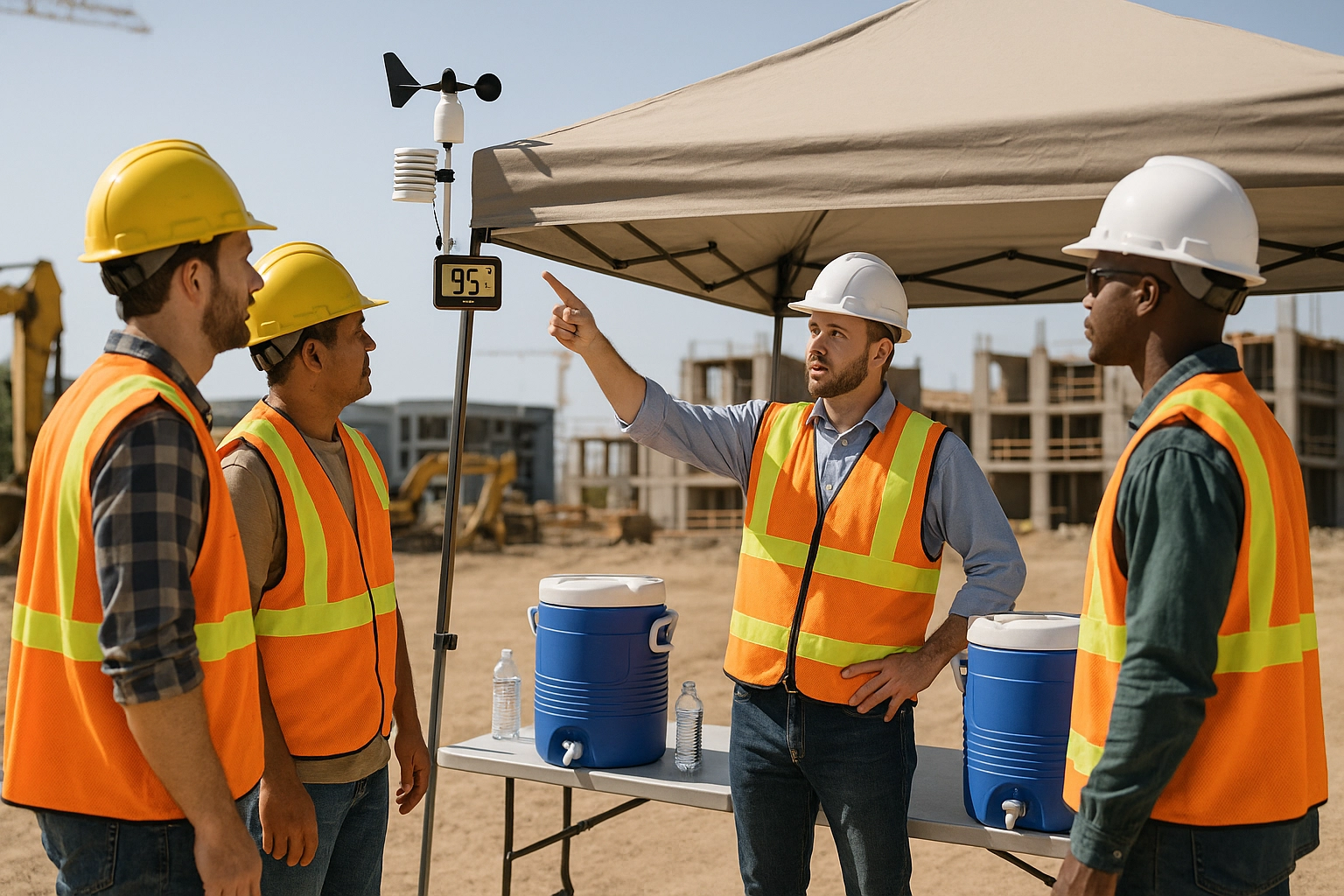
Week 3: Physical Controls Implementation
Set up adequate shade structures in work areas
Install water stations at convenient locations
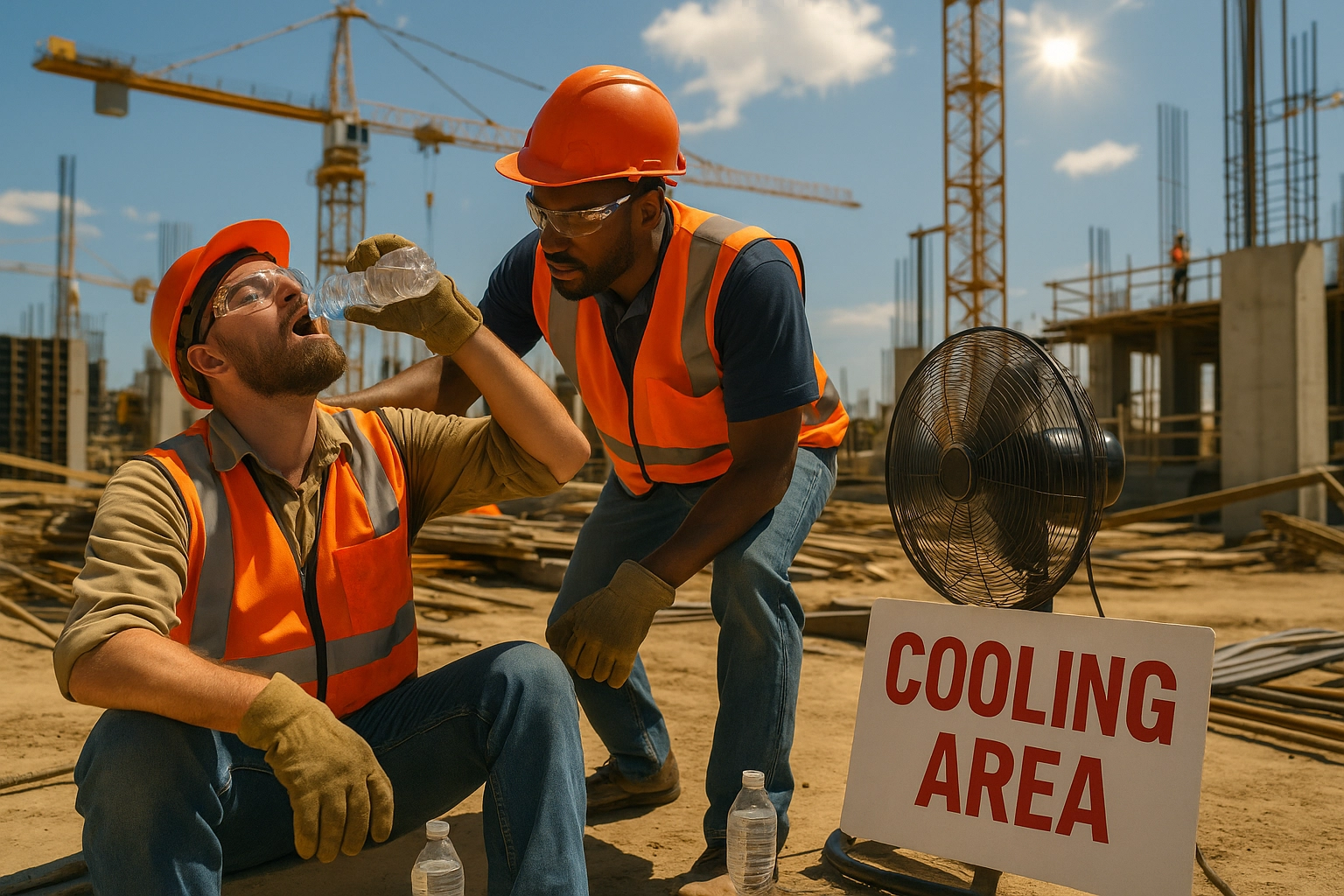
Arrange for cooling areas or air-conditioned break spaces
Implement work/rest schedules based on heat index readings
Week 4: Program Launch and Monitoring
Begin daily heat assessments and adjust work schedules accordingly
Start acclimatization protocols for new workers
Track hydration compliance and heat-related incidents
Review and adjust protocols based on initial results
Essential Resources for Success
Building a successful heat safety program doesn't happen in a vacuum. Here are the resources that will help you get there:
OSHA's Heat Safety Tool App is free and gives you real-time heat index calculations plus recommended protective measures. Download it now – it's one of the most practical tools OSHA has ever created.
NIOSH Criteria for a Recommended Standard provides the scientific backbone for any heat safety program. Their work/rest recommendations based on WBGT readings are industry gold standard.
Industry-Specific Guidance from organizations like the Associated General Contractors of America (AGC) and the National Association of Home Builders (NAHB) offers practical advice tailored to different types of construction work.
For training materials, the Construction Industry Institute and various state departments of labor offer excellent resources that you can adapt for your specific needs.
Building a Culture of Heat Safety
Here's the truth – all the technology and procedures in the world won't help if your workers don't buy into the program. Building a culture of heat safety requires consistent leadership and clear communication about why it matters.
Make it Personal by sharing stories and statistics about heat-related injuries in construction. When workers understand that heat illness can happen to anyone and has serious consequences, they're more likely to take prevention seriously.
Empower Workers to speak up when they're feeling overheated or notice symptoms in coworkers. Create an environment where stopping work for heat safety isn't seen as weakness – it's seen as looking out for the team.
Lead by Example by following the same protocols you expect from your crew. If supervisors are ignoring heat safety rules, workers will too.
The Future of Heat Safety in Construction
Climate change isn't going away, which means extreme heat days are becoming more common across the country. The construction industry needs to adapt, and that adaptation is already beginning.
Predictive Analytics will soon allow us to forecast heat stress risk days in advance, enabling better project planning and resource allocation. Imagine knowing a week ahead of time that Thursday will be a high-risk day and being able to adjust schedules accordingly.
Integration with Project Management Software means heat safety protocols could become as routine as daily safety briefings. When your project management system automatically adjusts schedules based on weather forecasts, heat safety becomes seamless rather than burdensome.
Improved PPE Design continues to evolve, with new materials and designs that provide better protection while reducing heat buildup. We're moving toward gear that keeps workers safer without making them hotter.
Your Next Steps
If you've made it through all five parts of this series, you're already ahead of most construction companies when it comes to heat safety knowledge. Now it's time to turn that knowledge into action.
Start with the basics – ensure you have adequate water, shade, and a plan for high-heat days. Train your supervisors to recognize heat illness symptoms and establish clear protocols for prevention and response.
Don't try to implement everything at once. Pick the strategies that address your biggest risks first, then build on your successes. Remember, the goal isn't perfection – it's progress toward a safer, cooler worksite where everyone goes home healthy.
For more comprehensive safety training resources and expert guidance on implementing effective workplace safety programs, visit Rise Up Safety to explore our course offerings and training materials.
Heat safety isn't just a summer concern – it's a year-round commitment to protecting your most valuable asset: your workers. Make it a priority, and you'll see the benefits in reduced injuries, improved productivity, and a stronger safety culture across your entire operation.


Comments