
Beyond the Hard Hat: How Mental Health Is Shaping Modern Construction Safety (Part 5)
As we wrap up our deep dive into mental health and construction safety, it's time to look ahead. The construction industry is at a turning point, with new technologies, progressive policies, and innovative support systems reshaping how we approach worker well-being. This isn't just about keeping up with trends: it's about building a safer, more sustainable future for everyone on the jobsite.
The Digital Mental Health Revolution
Technology is transforming mental health support in ways we couldn't imagine just a few years ago. Construction companies are now using mental health apps specifically designed for blue-collar workers. These aren't your typical meditation apps: they're built for the realities of construction life.
Apps like Wysa and Sanvello offer 24/7 support that fits into a worker's schedule. Whether someone's dealing with stress during a night shift or needs quick coping strategies during a break, help is literally in their pocket. Some companies are even providing these apps as part of their benefits package.
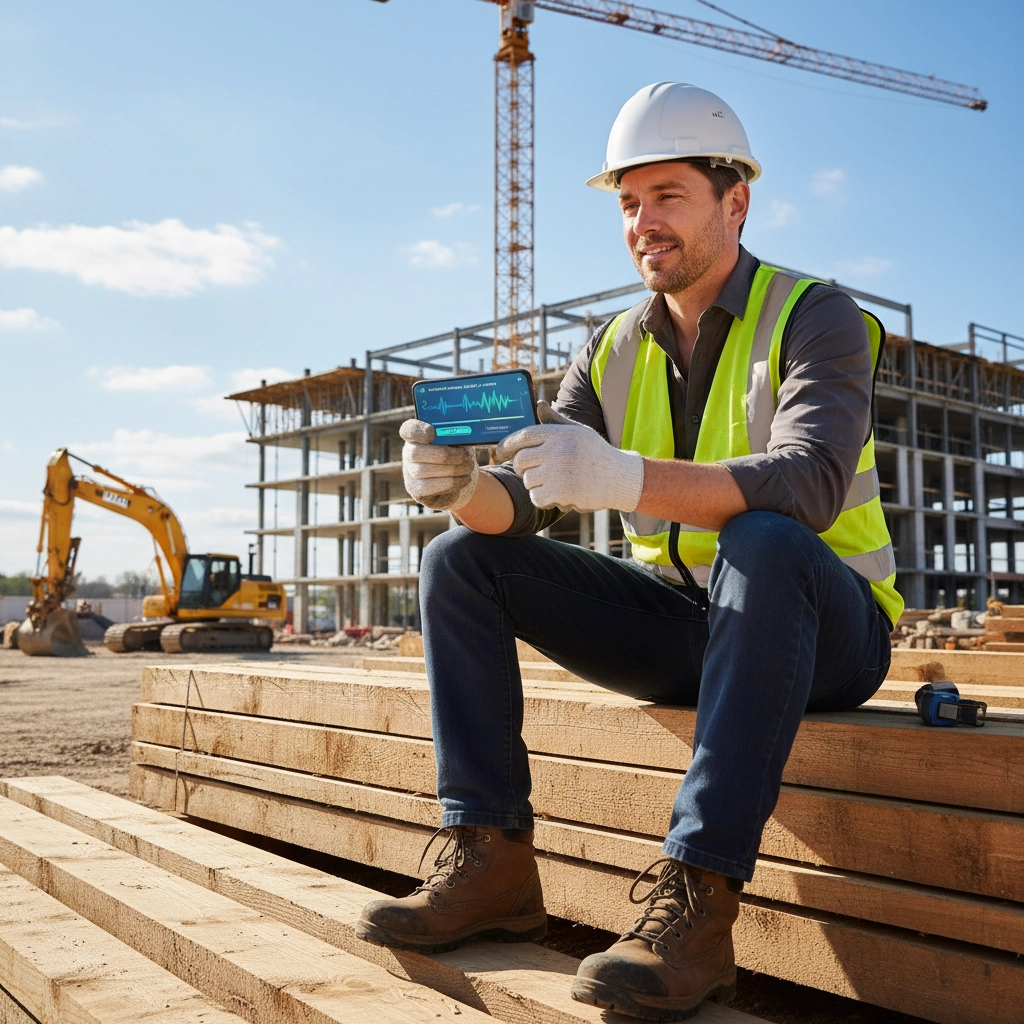
Wearable technology is another game-changer. Smart watches and fitness trackers now monitor stress levels, sleep patterns, and even detect signs of depression. When a worker's stress levels spike consistently, supervisors can intervene before it becomes a safety issue. It's like having an early warning system for mental health crises.
Virtual reality (VR) training is making mental health education more engaging and effective. Instead of sitting through another PowerPoint presentation, workers can experience realistic scenarios that teach them how to handle stress, recognize warning signs in coworkers, and practice difficult conversations about mental health.
Progressive Policies Leading the Way
Forward-thinking construction companies are implementing comprehensive mental health policies that go far beyond the legal minimums. These policies include:
Mandatory mental health days separate from sick leave, giving workers permission to take time off before they reach a breaking point. Some companies offer up to three additional paid days per year specifically for mental health.
No-questions-asked mental health support, where workers can access counseling or therapy without having to justify why they need it or go through lengthy approval processes.
Peer support programs are becoming standard practice. These programs train experienced workers to spot signs of mental health struggles and provide initial support to their colleagues. It's not about turning workers into therapists: it's about creating a network of care on every jobsite.
Industry-Wide Initiatives Making a Difference
The Construction Industry Alliance for Suicide Prevention has grown from a small group to a major force, with hundreds of companies committed to reducing suicide rates. They're not just raising awareness: they're providing concrete tools and training programs that work.
OSHA's focus on psychological safety is pushing companies to treat mental health with the same seriousness as physical safety. New guidelines encourage regular mental health check-ins as part of safety meetings and require companies to address workplace stressors that could lead to accidents.
Labor unions are also stepping up, negotiating for better mental health benefits and creating support networks that extend beyond individual worksites. The International Association of Bridge, Structural, Ornamental and Reinforcing Iron Workers recently launched a comprehensive mental health program that includes 24/7 crisis support and family counseling services.
Practical Resources Every Worksite Should Know
Crisis Hotlines specifically for construction workers are now available. The Construction Industry Suicide Prevention hotline (1-800-273-8255) has counselors who understand the unique pressures of construction work. They know what it means when someone says they're worried about layoffs or dealing with a difficult foreman.
Toolbox talks are evolving beyond traditional safety topics. Companies are incorporating mental health discussions into their regular safety meetings, making it as normal to talk about stress management as it is to discuss fall protection.
Employee Assistance Programs (EAPs) are becoming more construction-focused. Instead of generic counseling services, these programs now offer financial counseling for workers dealing with seasonal unemployment, family counseling that considers the demands of construction schedules, and stress management specifically tailored to jobsite challenges.
Expert Insights Shaping the Future
Dr. Sally Spencer-Thomas, a leading researcher in construction suicide prevention, emphasizes that "The industry is finally understanding that mental health isn't a personal problem: it's a business issue that affects productivity, safety, and the bottom line."
Construction executives are echoing this sentiment. Mike Senese, CEO of a major construction firm, recently stated: "We budget for safety equipment, and now we budget for mental health support. It's not an extra cost: it's an essential investment in our workforce."
Mental health professionals are also adapting their approaches. Therapists and counselors are learning about construction culture, understanding the physical demands of the work, and developing treatment approaches that respect the industry's values while promoting emotional well-being.
Technology-Driven Solutions on the Horizon
Artificial intelligence is being developed to predict mental health crises before they happen. By analyzing patterns in work attendance, productivity, and even social media activity (with permission), AI systems can alert supervisors when a worker might be struggling.
Telehealth platforms designed for construction workers offer therapy sessions that can be accessed from anywhere, including remote jobsites. These platforms understand that construction workers might need to schedule sessions around weather delays or unexpected overtime.
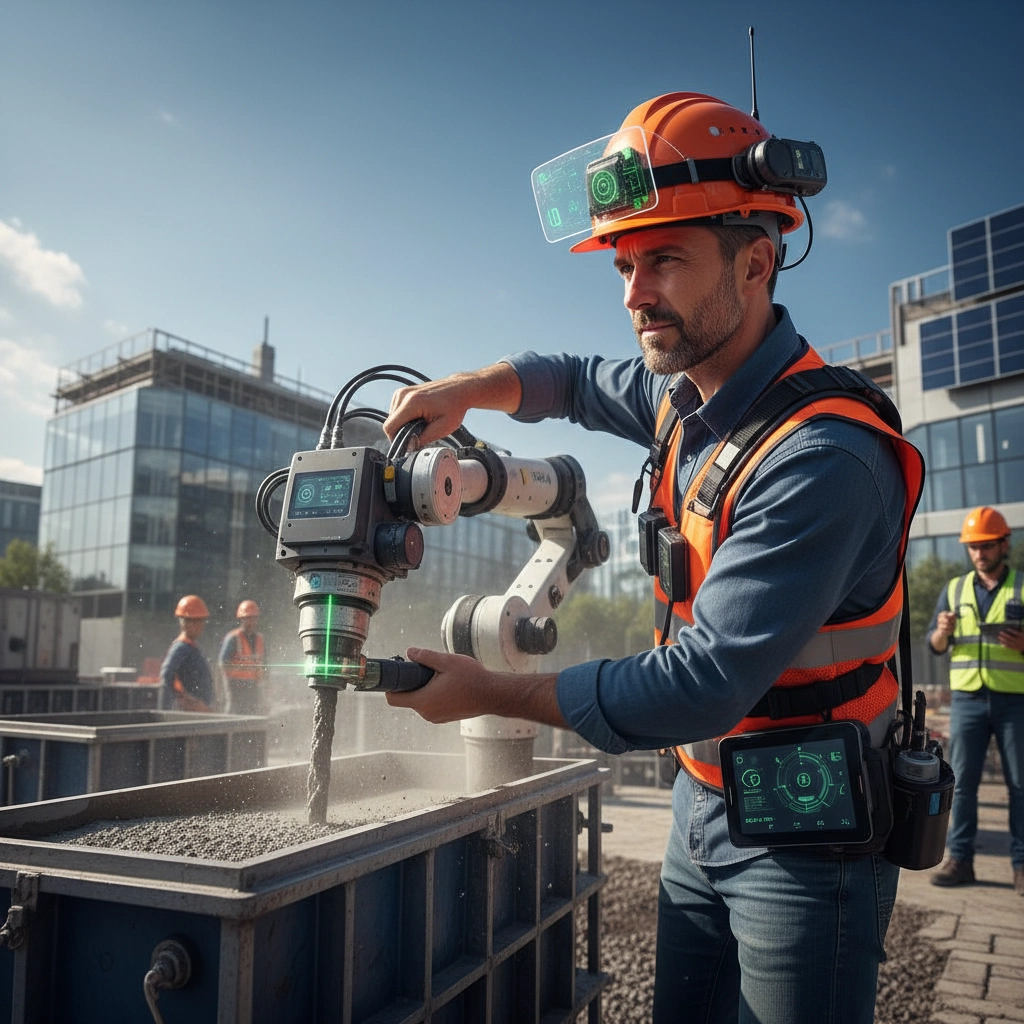
Biometric monitoring integrated into safety equipment is becoming more sophisticated. Hard hats with built-in sensors can detect signs of extreme stress or fatigue, automatically alerting safety supervisors when intervention might be needed.
Actionable Steps for Every Construction Site
Start with leadership training. Supervisors and foremen need to know how to have difficult conversations about mental health and when to refer workers to professional help. This training should be as comprehensive as any safety certification.
Create psychological safety by making it clear that admitting to stress, anxiety, or other mental health challenges won't result in punishment or job loss. Some companies are having supervisors share their own mental health challenges to normalize these conversations.
Implement regular check-ins that go beyond "How's everything going?" Train supervisors to ask specific questions about stress levels, sleep quality, and work-life balance. Make these check-ins as routine as equipment inspections.
Develop clear protocols for mental health emergencies. Everyone should know what to do if a coworker is having a panic attack, expresses suicidal thoughts, or shows signs of severe depression. These protocols should be posted as prominently as evacuation procedures.
Partner with local mental health providers who understand construction culture. Build relationships before they're needed, so workers know where to go for help and feel comfortable reaching out.
The Road Ahead
The construction industry's approach to mental health is evolving rapidly, but we're still in the early stages. The companies that embrace this change now will have healthier, safer, and more productive workforces. Those that resist will struggle with higher turnover, more accidents, and increased liability.
The future of construction safety isn't just about preventing falls and equipment accidents: it's about creating work environments where every person can thrive physically and mentally. Mental health isn't a trend or a nice-to-have benefit; it's a fundamental component of modern construction safety.
As we move forward, the integration of mental health support into everyday construction operations will become as standard as wearing hard hats. The companies leading this charge aren't just improving their safety records: they're building the foundation for a more sustainable and humane construction industry.
The tools, resources, and knowledge are available. The question isn't whether mental health will become central to construction safety: it's whether your company will be a leader in this transformation or struggle to catch up later. The time to act is now, and the future of construction depends on the choices we make today.


Comments